
Journals
-

Inclusión y Desarrollo
ISSN: 2389-7341 / e-ISSN: 2590-7700
Inclusión y Desarrollo is an open access scientific journal, peer reviewed under the double-blind modality, whose aim is to promote the national and international debate on the construction of knowledge and understanding of processes of social inclusion and social development from different perspectives related to the social sciences, humanities and education.
This journal is published biannually (January-June and July-December), and primarily accepts research and review articles written in Spanish, English, and Portuguese. It also publishes contributions from research seedbed and opinion articles.
-

Praxis Pedagógica
ISSN: 0124-1494 / e-ISSN: 2590-8200
Praxis Pedagógica was created in 1998. It is an international scientific journal published semi-annually in digital format by the Corporación Universitaria Minuto de Dios – UNIMINUTO. Its purpose is to share and discuss research that reflects on educational practices and experiences to transform and improve them.
Praxis Pedagógica publishes original works in Spanish, English, and Portuguese. Article submissions are accepted year-round, and two issues are published annually, one per semester.
-
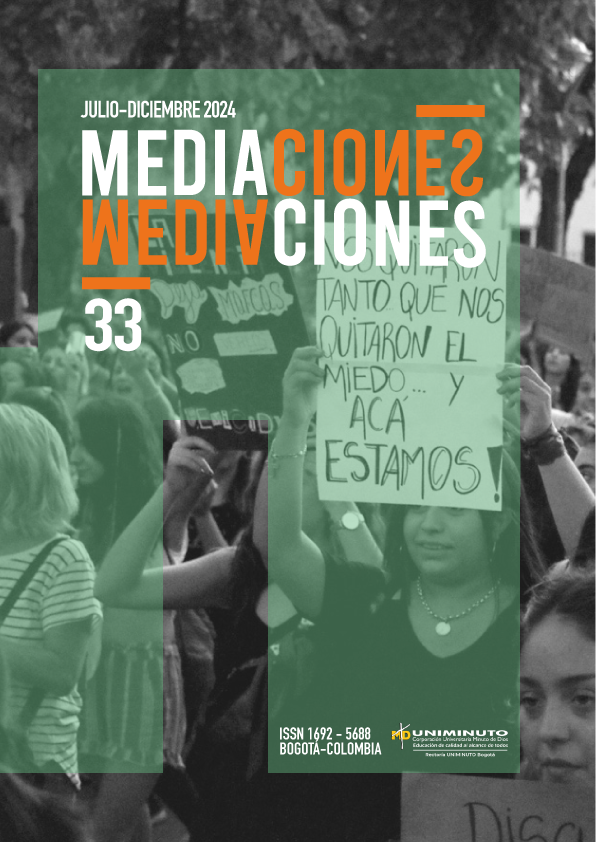
MEDIACIONES
Biannual Journal Specialized in Communication
ISSN-L: 1692-5688 / e-ISSN: 2590-8057
MEDIACIONES is a biannual publication by the School of Creation, Communication, and Culture at UNIMINUTO. It is directed at the academic and scientific community interested in a critical and reflective approach to communication, its dynamics, and its societal impact.
The journal follows a rigorous double-blind peer review process, ensuring the quality and relevance of each article. Submissions are open year-round, inviting researchers to contribute to the ongoing academic debate in this field.
-

INVENTUM
ISSN: 1909-2520 / e-ISSN: 2590-8219
The Inventum Journal is a semi-annual scientific publication. It aims to disseminate and share unpublished articles resulting from research and technological developments in any area of infrastructure and social construction, competitiveness, environment and sustainable development, and information and communication technologies from the perspective of engineering and technology. Its purpose is focused on transforming and enhancing the use of technologies to address the problems of external communities. All articles published in the Inventum Journal are peer-reviewed by national and international external experts recognized for their expertise and contributions to the field.
-
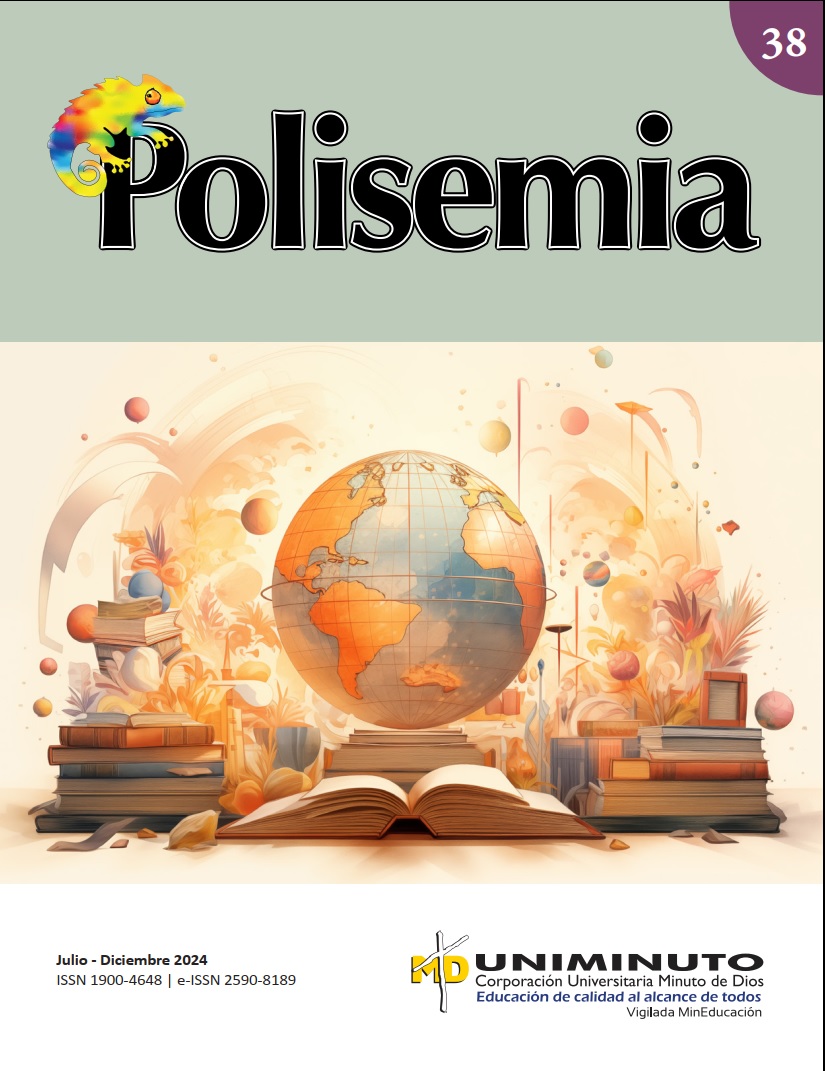
Polisemia
ISSN: 1900-4648 / e-ISSN: 2590-8189
POLISEMIA is a peer-reviewed scientific journal published semiannually and aimed at researchers and professionals in the social sciences and humanities across Colombia and Ibero-America. The journal promotes interdisciplinary dialogue and epistemological pluralism around contemporary human and social issues, through critical, decolonial, feminist, and intersectional approaches.
Its thematic areas include: citizenship, politics, peace, and nonviolence; human development, inequality, and social life; philosophical thought and practice, ethics, humanities, and cultural studies; as well as epistemologies and methods in the human and social sciences. The journal publishes reflections and research related to social movements, democracy, social justice, gender, memory, subjectivities, and the critical production of knowledge committed to social transformation.
At the following link, you can review the terms and conditions for submitting your manuscript: https://revistas.uniminuto.edu/index.php/POLI/instruction
-
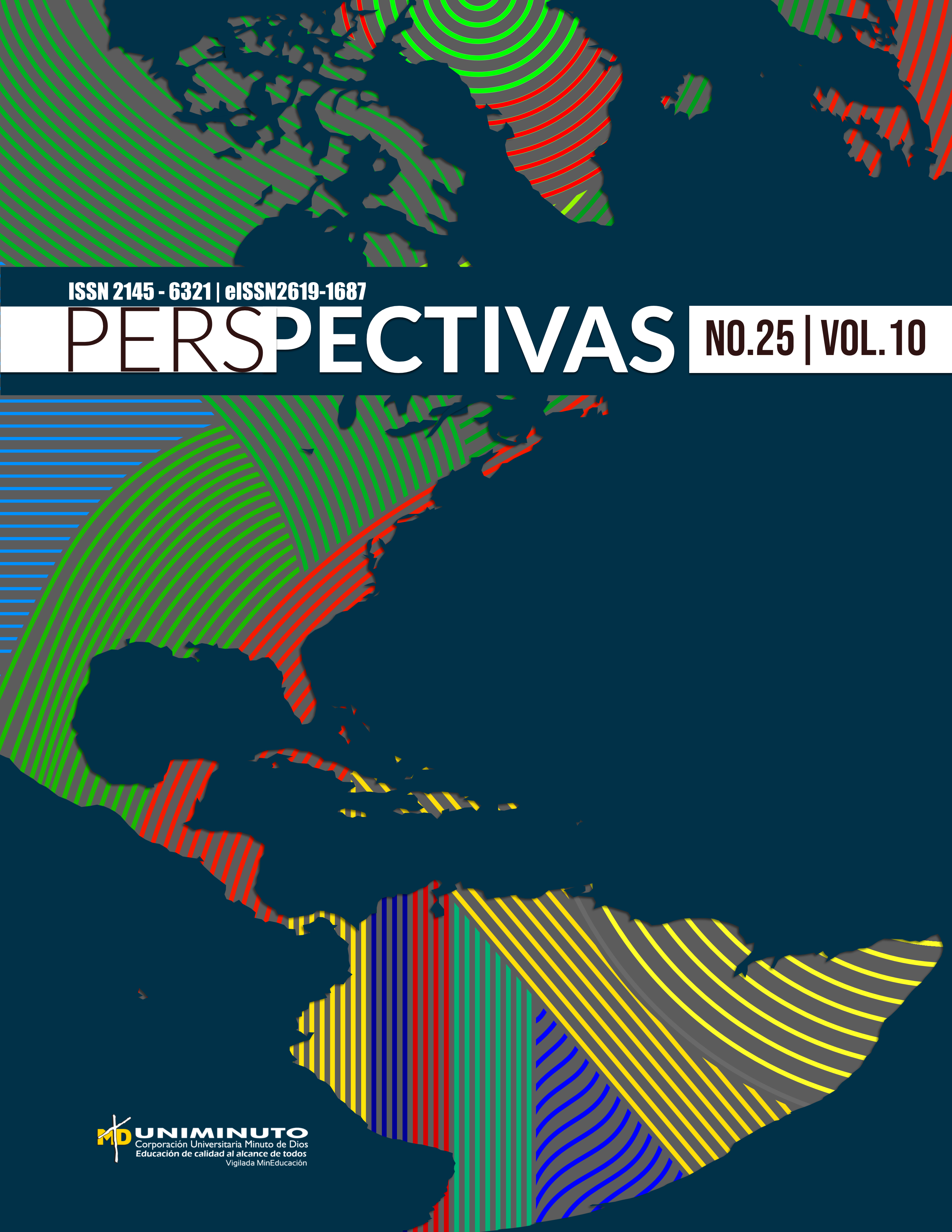
Perspectivas
ISSN: 2145-6321 / e-ISSN: 2619-1687
The Perspectives Magazine, is an open access publication, which as of 2021 is continuously edited in digital version by the Minuto de Dios University Corporation – UNIMINUTO, Cundinamarca Rectory and the Santanderes Regional Vice-Rectory (Colombia).
The Journal has the purpose of contributing - through research training and interdisciplinarity - to the generation, dissemination and application of knowledge that contributes to social, scientific and technological development, with special emphasis on regional development. This is due to the commitment that UNIMINUTO assumes with the construction of an academic research community for the generation of knowledge. In this way, the generation of research, social projection and teaching is promoted, based on sustainable human and social development.
-
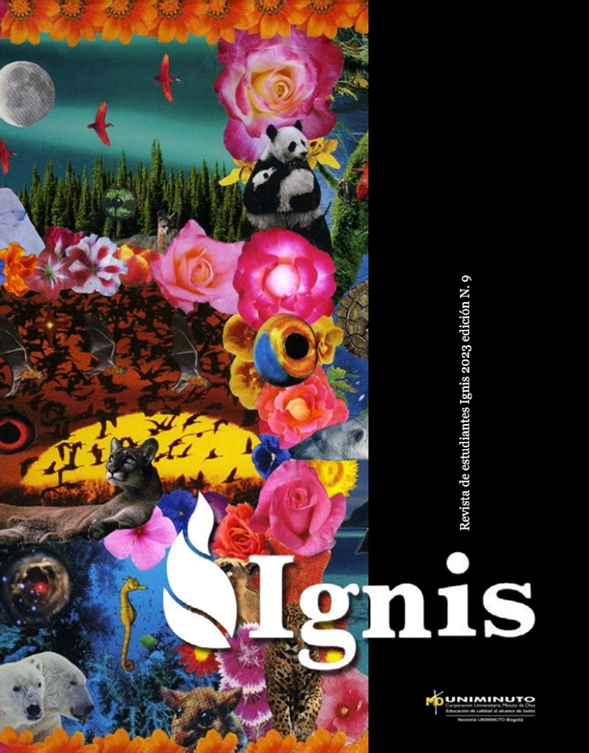
Ignis
e-ISSN: 2500-5448
as an expression created by students and for students, was born thanks to the initiative of a group of students and the support of the Department of Philosophy within the Faculty of Human and Social Sciences. This initiative has made it possible to create an academic space that is sufficiently inclusive and transdisciplinary, where knowledge is also constructed and serves as a means to foster dialogue among diverse perspectives and opinions.
-
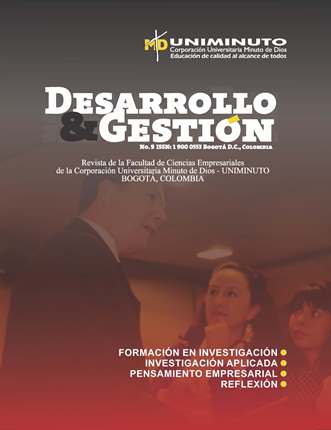
Desarrollo & Gestión
ISSN:1900-0553
The purpose of Development and Management is to serve as a channel for dissemination, interaction, and reflection on the core functions of teaching, research, and social outreach. All of this is in relation to new trends and paradigms in business sciences, aiming to make a lasting impact on the education and development of students, professors, and researchers from the faculty and other academic spaces at both national and international levels.